How Many Feathers Does a Baby Chicken Need Before You Can Put It Outside

I am frequently asked when chicks tin can stop using a estrus source and move from the brooder to the chicken coop. The brusk answer is…it depends. Many factors play a role in determining when the time is correct to move chicks from the brooder to the chicken coop and we'll take a look at them hither. In the rut of summer, chicks may require supplemental heat for merely a few weeks, in very cold weather condition, chicks may need supplemental oestrus for much longer.

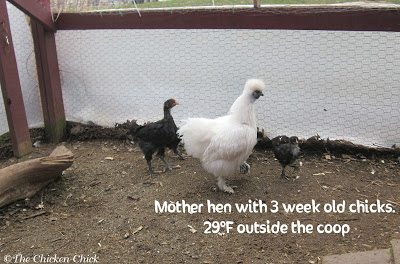
I have learned more than about chick condolement from observing mother hens with their chicks than I accept from anything I take ever read. The first few days after hatching, chicks spend about of their time underneath the female parent hen, venturing out occasionally to explore, eat and drink. When they get chilly, they just return to the hen for warmth. Before long, they spend more than time away from her than underneath her. My Silkie, Freida, oft begins to distance herself completely from her chicks at approximately five weeks old. Six weeks is a adept age to begin assessing whether chicks are prepare to leave the brooder for the coop. The following factors besides play a part in the decision.
Age/FEATHERING
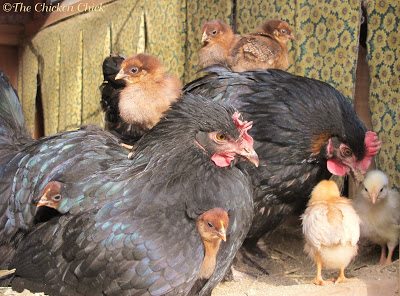
In general, well-nigh chicks are fully-feathered by half dozen weeks of age. That ways that their chick downward is gone and they have grown real feathers, which allow them to regulate their body temperatures. Not all breeds or individual chickens will be fully feathered at the same age, the actual feathering should be considered, not but the age of the chick.
This is (St)Eve, a cross betwixt a Buff Orpington and a Black Copper Marans.
TEMPERATURES/TIME OF Twelvemonth
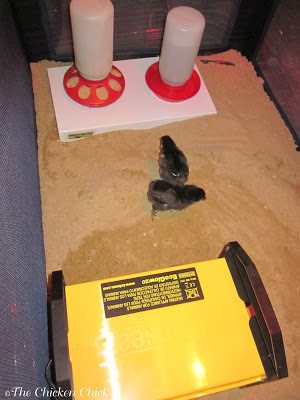
"The Formula:" is what I phone call the usual temperature guidelines commonly suggested for day one-time chicks. The Formula holds that brooder temperatures should exist kept between 90-95° F for the first week later hatching, and reduced by 5 degrees each calendar week thereafter until the brooder temperature equals the ambient room temperature.
The Formula
Week ane= 90-95°F
Calendar week 2= 85°F
Week iii= lxxx° F
Week iv= 75° F
Calendar week 5= 70° F
Week 6=65°F
The Formula is a general guideline; the behavior of chicks is a much better indicator of their bodily condolement level. The truth well-nigh The Formula is that while 90°F is disquisitional in the first week, chicks practise non need every bit much constant heat as heat lamps evangelize for every bit long equally information technology is ordinarily recommended. When chicks are observed spending very petty time most the heat source, it tin can commonly be eliminated.

Ideally, chicks volition not require a heat source when moving from brooder to coop. If the temperatures exterior remain to a higher place 65°F and the chicks are at least 6 weeks old, they can motility into the coop without supplemental heat. Picket and listen to the chickens. Noisy birds are unhappy, but at that place's a difference between the sounds of a common cold chick and a chick frightened by a new environment. Once teenage chickens become familiar with a new residence, they should be actively exploring, busily eating and scratching and contently quiet. If they're huddled together and noisy, they're probably cold.
COOP CONSIDERATIONS
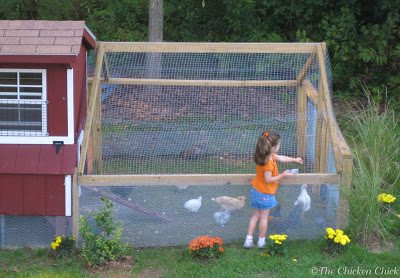
If a heat source is required, is there electricity to the coop and if so, tin can heat be safely supplied? If non, the move should wait until outside temperatures are warmer.
Is the coop predator proof? Chicks demand to exist protected from predators getting into the coop also as from escaping from the safe of the coop themselves. Hardware cloth should exist used to keep predators out and chicks in the coop.

NUMBER OF CHICKS
Each chick generates body heat and the more chicks there are, the better able they are to go along each other warm when necessary.
OLDER FLOCK MEMBERS
If older flock members are already living in the coop, information technology'southward all-time to wait until the chicks are closer in size to the mature birds before beginning the procedure of integration into the flock. Smaller birds can be seriously hurt by normal pecking-order behavior from older, bigger birds.
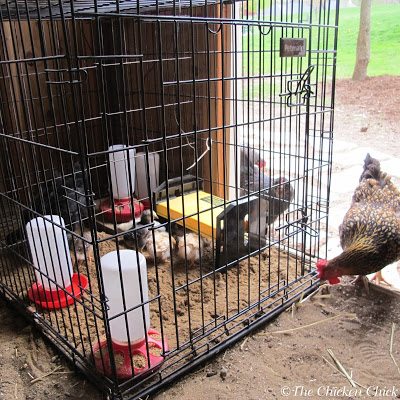
The integration process should exist slow and deliberate to minimize conflict and stress for both groups of birds. I utilise and highly recommend The Playpen Method, which is a tried-and-true recipe for a low-stress, low-conflict merger
STRESS OF THE Motility
Transition from one housing unit of measurement to another is extremely stressful for chickens of all ages. The behavioral problems that tin result from this stress tin can be managed when knowing what to expect.
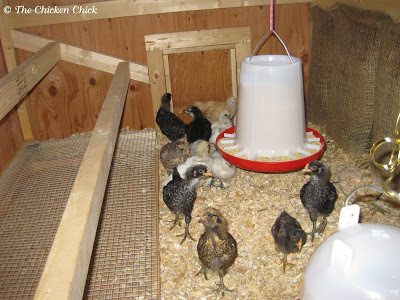
1. Instill the Concept of Domicile
When chicks are moved, they will exist dislocated and will require time to acclimatize to the coop. They demand time to adjust to the idea that the coop is their permanent domicile and the place to which they should render at night. For this reason, I recommend keeping them inside the coop for several weeks prior to assuasive them access to the run.
Chicks that are not given this initial time to decompress oft fail to return to the prophylactic of the coop at dusk independently, which tin be frustrating for the chicken-keeper and unsafe for the birds. While it is possible to "coop train" older birds, it'south amend to practice it at the time of the big motion.
ii. Deny Access to Nest Boxes
Upon arrival in the coop, the initial inclination of stressed chicks is to hide and nest boxes provide a natural refuge for scared chicks. Sleeping chickens are pooping chickens and while the habit of sleeping in nest boxes may not be a problem initially, when they brainstorm egg-laying, it will be. Droppings soil freshly laid eggs and increase the risk of affliction from their consumption even if they are done. Blocking physical access to the nest boxes prior to the movement prevents the chicks from getting into the habit of sleeping in them. Avoiding the behavior is much easier than trying to break the addiction. By 17-18 weeks of historic period, the boxes can be opened for business concern.
If in that location are laying hens already living in the coop, shut the nest boxes off (with cardboard, plywood, etc.) in the afternoon after egg-laying is finished for the day and open them back up first affair in the morn. This permit the layers access to the boxes during the day and prevents slumber parties in the nest boxes at night.
You lot May Also Like
Source: https://the-chicken-chick.com/when-to-move-chicks-from-brooder-to/
0 Response to "How Many Feathers Does a Baby Chicken Need Before You Can Put It Outside"
Post a Comment